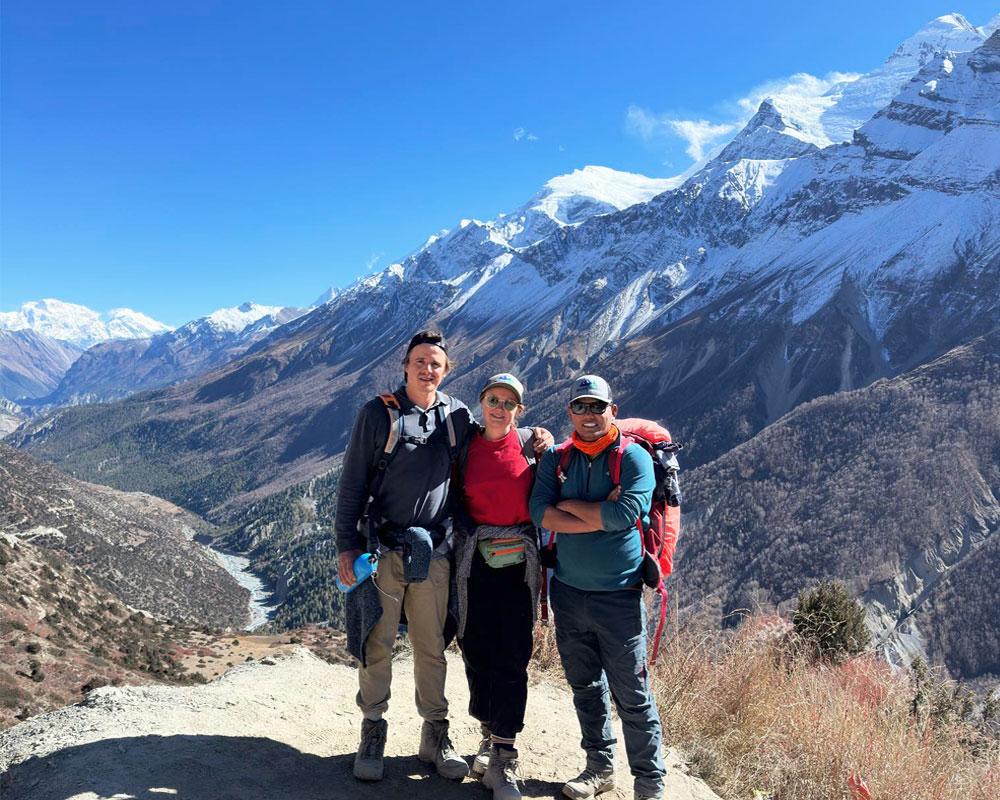



Annapurna Circuit Trek Nepal The famous trekking tour of the Annapurna Circuit trek is popular for stunning mountain views and breathtaking landscapes and culture. One of the well-known myths among too many trekkers is their budget in Himalayan trekking, but even a trek like the short Annapurna Circuit trek can easily be done with no problem for a moderately reasonable budget and the right approach concerning money.
If you are doing transport purchases smartly, getting lodging and meals that make sense in conjunction with permits, and doing things on your own, then you will not run yourself into the ground or debt after this awesome experience. Experience the Annapurna Circuit trek at a cheap price. Travel purposefully to meet local people whilst being immersed in the landscape that gives this walk its common name.
Select Annapurna Circuit Trek Season
If you trek in the perfect season, you can save lots of money and have a good trek. Spring and autumn are the busiest times of year when many tourists visit areas; as a result, this can lead to only certain regions being able to demand rooms. And travel when there is less on the road, so sometimes cheap lodgings + way quieter trail!!. Having some foresight into the seasons will help mitigate surprise weather-related costs. For those in the mold of role with an Annapurna Circuit expedition, exploit formulators in the past set out to chase trials dressed gleefully in the right mode and climate datagrams.
Choose Affordable Transportation Options
The Annapurna Circuit guided trek is a pretty pricey trip to set up, and the biggest cost is usually how you get there. If any of the wealthier tourists do hire a car at extortionate prices, the majority of frugal travelers write down directions near a car rental location to their adventure starting point. Similarly, public transport has its delays too but is also a bit of an experience and gives visitors the opportunity to meet the locals. Book transport in advance and find out which ones are reasonable to limit costs When you save money on the way, they put more investment into buying what they need (what they have to own): comfortable hotels/lodging and experiences/activities along the route.
Leave out the luxury hotels & pay a visit to natives. teahouses.
When it comes to minimizing the Annapurna Circuit Trek, one of the most popular means of traveling is traditional teahouses. Not only do these guesthouses provide budget accommodation and friendly hospitality, but you also get to live the mountain life! Because once you get out further, the true luxuries are fewer and farther between, but there will always be a basic teahouse to restore your mind, body, and soul after a long day on the trail.
It is good for the community to utilize local families in the villages, but it also shows you how they live. You may have to do it on a budget, but at the minimal comfort end of chilly trekking in the Himalayas, sacrifices are modest, and there are no real compromises.
Contemplate Consuming Locally and Have a Control on Your Meal’s Wholesomeness
For example, food becomes more expensive at higher altitudes (anything above 6000 ft) as food products need to be trucked into these mountain villages. And if you are on a low budget, a lot of the expense can be mitigated by not opting for export items or luxury dishes in favor of domestic ones. Dal bhat is a wholesome and nutritious food, very energizing for the body, and this makes it an affordable yet practical food choice for trekkers.
The lowland ring road lets you additionally control your small city budget item by item, possibly with different staple foods on the way. Eating at local teahouses is one way that trekkers along the Annapurna Circuit can save money, while also supporting local businesses and tasting traditional Nepalese cuisine.
Pack smart to avoid extra charges
Packing and making the trek available for trekking in the Annapurna Circuit Trek on a budget is super important. If you forgot an important item, you’re just going to buy it while on the way, usually at more than normal since there is a distance involved in transporting things. This means that prior to moving towards Nepal, the tourists will have to zealously secure cozy clothes, trekking shoes, reusable water bottles, and individual bathroom or sanitary materials. You might even find that renting some of the rarely used equipment is actually cheaper. A properly organized pack means less junk and an easier trip from start to finish.
However, you can hike it independently or go for a more affordable guided option.
In terms of how much it costs, you have to check your own trekking into the cost vs. helping them as support services. Paying less for your gear is only better than having tons of independent trekking surrounding you that feature fantastic freedom in terms of daily budget, accommodation options, and travel speed. Alternatively, trekkers who prefer to have a local guide for safety and navigation reasons, as well as locals, teach them more about the culture there.
Depending on local guides/porters when it’s required or simply lavish full-service packages end up being a penny-wise way. The proper route is highly dependent on a disposition that one has towards the process—knowing it, buying into it, and finding ease with it. Whatever route you decide, these tips should help you stay on track with finances and budget smartly on the Annapurna Circuit.
Use Permits and Expenses Wisely
The Annapurna Circuit Trek requires official permits & some travel arrangements, so the cost needs to be planned in advance. There could be a huge awareness of the tasks that have to be done prior to going on the trip at all so as to not come across any surprises while on cash break events. Trekkers are also advised to keep some cash aside for emergencies, additional transport, or if the weather conditions change.
It does not mean stiffen your belt; it just means use it wisely, only spending at places that increase the value in your trekking adventures. Use your money wisely—which means that this journey will allow travelers to focus on tea houses, hiking up mountains, and creating memories without the question of where the next dollar will be spent.
Interact with local culture rather than splurging on expensive ventures
Well, trekking the Annapurna Circuit isn’t a fancy item that uses exceptional landscapes and towns, traditions, or extravagant backdrops for natural beauty. You can also try to approach the experiences at a lesser price by visiting villages and monasteries and getting close with local people to explore the lives of Himalayan people. And these cultural experiences are often the best part of travel and more often than not free or very cheap, barring one thing. The cynic in you will argue that a local death just gives us another whole minute’s worth of discovery without messing with your bank account. Turns out, not every epic adventure needs to cost the earth—or possibly your sanity: the Annapurna Circuit.
Final Conclusion
With some decent planning, wise choices, and fun expectations, performing the Annapurna Circuit Trek ought to be doable for over a few hundred bucks more than USD500. You know the trick—travel as cheap as possible, then stay in dodgy teahouses or eat local food while packing it all out.
The richer attractions seem to emerge from the basic, rustic yet not luxurious, village settings. We know a budget campus is expensive, but that too does not mean one will be cut off or have a badass time while navigating the barren expanse of the barely comprehensible Annapurna location for eternity. Further in the hills, a balanced budget lets you enjoy yet more of Nepal’s great multi-day treks without sacrificing anything on your adventure.